All Categories
Featured
Why Speed-to-Market Specifies Success in the AI Economy
Table of Contents
The Infrastructure Shift in the Australian market
By the middle of 2026, the integration of synthetic intelligence into cloud environments has actually reached a point of maturity where the conversation has actually shifted from easy adoption to refined execution. In major metropolitan centers, companies are no longer taking a look at AI as a standalone tool however as a native element of their software application stack. This change is mainly driven by the need for speed and the capability to scale processing power without the heavy upfront costs of physical hardware. The shift toward cloud-native architecture permits companies to spin up complicated machine learning designs in minutes rather than months.
The Australian service environment has seen a considerable relocation toward serverless AI. This model allows designers to run code for AI inference without handling the underlying servers. For a company in the local area, this indicates paying only for the calculate time used throughout an AI-driven deal. It gets rid of the waste related to idle servers and allows even little start-ups to take on larger business. In 2026, the availability of specialized hardware, such as custom-made AI accelerators in regional information centers, has reduced the barrier to entry for high-performance computing.
Information residency stays a leading priority for boards throughout regional territories. As Australian guidelines concerning data sovereignty tightened up in early 2026, the reliance on cloud providers with regional presence became non-negotiable. Organizations are choosing multi-cloud techniques to avoid being locked into a single company. This technique offers a safeguard, ensuring that if one service provider deals with a blackout or a change in terms, the AI services can continue to operate through another channel. The focus is on building durable systems that can manage the massive data throughput required for generative models and real-time analytics.
Operationalizing advanced digital solutions for Growth
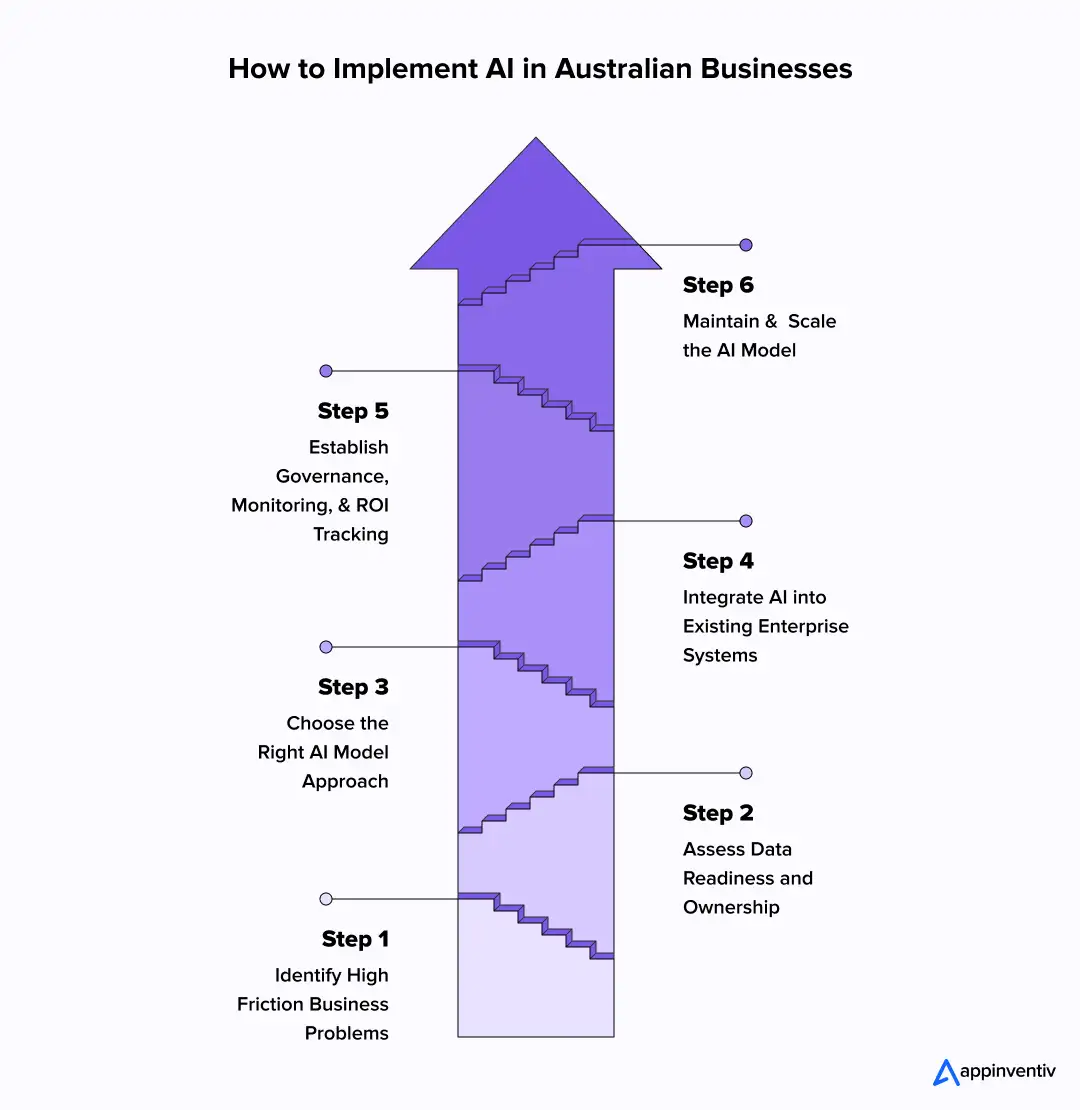
Efficiency in 2026 is determined by how quickly a design can move from a screening environment to a live production state. Numerous organizations now rely on AI Tech Governance to guarantee their models stay precise as market conditions change. The process involves continuous combination and continuous deployment (CI/CD) specifically tailored for artificial intelligence, frequently referred to as MLOps. In the context of local commerce, these practices permit retailers and provider to change their automated consumer interactions based upon real-time feedback and regional patterns.
Containerization has actually become the standard for releasing AI. By covering AI models and their dependencies into containers, groups in the region can guarantee that the software runs the very same way whether it is on a developer's laptop computer or in an enormous cloud cluster. This consistency minimizes the friction typically found in software application development. Massive tasks in technical infrastructure are significantly utilizing orchestration tools to manage these containers, enabling automated scaling when user need spikes during peak periods. It is a level of flexibility that was tough to attain simply a couple of years earlier.
The cost of running these models is another area where 2026 has brought new clarity. FinOps, the practice of bringing financial responsibility to the variable invest of cloud, has actually become a core discipline. Business are utilizing AI itself to monitor their cloud costs, determining where compute resources are being wasted. In the surrounding suburbs, businesses are discovering that optimizing their cloud-native AI can cause 30 percent decreases in monthly technology costs. This conserved capital is then being rerouted into further R&D and local talent acquisition.
Adjusting to Regulative Standards in 2026
Australia's regulative environment for AI took a clear shape at the start of 2026. The brand-new standards emphasize transparency and "explainability" in automated decision-making. For a company supplying specialized business tools, this implies they need to have the ability to reveal precisely why an AI made a particular recommendation. Cloud-native platforms have actually responded by structure in audit routes and monitoring dashboards that track every step of the data processing chain. This level of oversight is now a requirement for any company operating in the financial or healthcare sectors within Australia.
Ethical AI is no longer a vague concept however a documented set of procedures. Governance groups are charged with looking for bias in the data used to train models. Due to the fact that the cloud permits massive datasets to be processed quickly, it also makes it much easier to run bias-detection algorithms throughout those datasets. In local industry hubs, this has actually caused more fair outcomes in areas like automated hiring and loan approvals. The focus is on building trust with the general public, which is viewed as a competitive benefit in a market where consumers are increasingly wary of how their data is handled.
Data personal privacy has likewise seen a technical upgrade. Federated learning is being utilized more frequently in 2026, permitting designs to be trained throughout numerous decentralized gadgets without ever exchanging the real raw information. This is especially crucial for regional locations in the country where delicate details might be gathered at the edge-- like on a farm or in a local center-- and needs to be processed without being sent to a main server. It keeps the data local while still adding to the total intelligence of the system.

The Function of modern tech platforms in Regional Markets
The effect of AI-cloud merging is not limited to the biggest cities. Smaller company centers in regional areas are seeing a rise in performance by using cloud-native tools to automate regular jobs. Advanced AI Tech Governance Models continues to be the preferred option for regional business requiring fast release. These platforms provide pre-built AI modules that can be tailored for particular local needs, such as weather condition forecast for farming or supply chain logistics for local manufacturing. It allows smaller players to access the same level of technology as global corporations.
Connectivity has actually enhanced substantially by 2026, with 5G and satellite web supplying the low-latency links required for cloud-native AI to work at the edge. A business in a remote part of the territory can now utilize real-time computer system vision to keep an eye on stock levels or equipment health. This information is processed locally to offer instant notifies, while the long-term patterns are published to the cloud for deeper analysis. The hybrid technique integrates the best of regional control and cloud power.
Education and upskilling are the next obstacles. In the local community, there is a strong push to train the existing workforce on how to work together with these new systems. It is less about changing workers and more about changing the nature of their tasks. Instead of manual information entry, workers are becoming "AI orchestrators" who manage the automated systems and handle the complex cases that require human judgment. Local training programs are concentrating on these high-value abilities to ensure that the workforce remains pertinent in the 2026 economy.
Future Outlook for Cloud-Native AI
Looking toward the end of 2026, the trend of expertise is likely to continue. We are seeing the rise of industry-specific clouds where the AI models are currently tuned for particular sectors like mining or retail. For a company in the local market, this lowers the time invested on fundamental setup and permits them to focus on unique features that set them apart. The innovation is becoming more invisible, moving into the background of daily business operations where it merely works as anticipated.
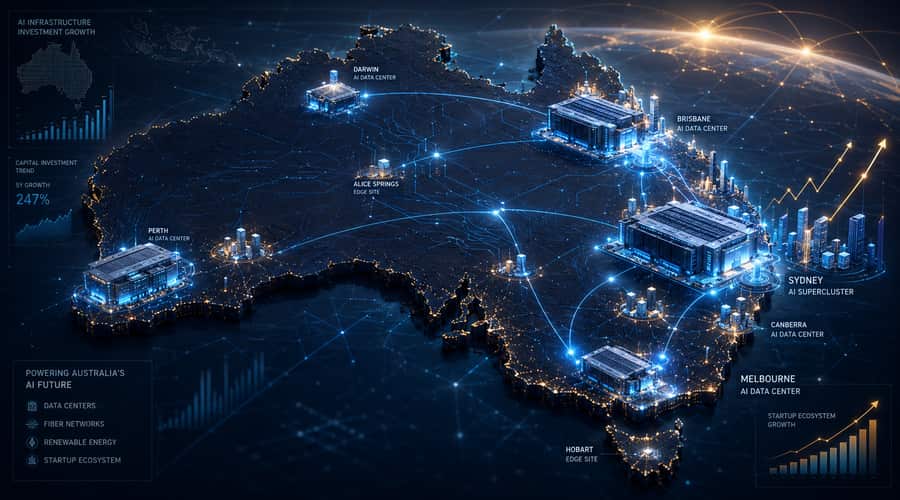
Sustainability is likewise a growing part of the discussion. Cloud service providers are under pressure to reveal that the enormous energy requirements of AI are being consulted with renewable sources. In regional Australia, some information centers are now directly powered by local solar and wind farms. Business are picking their cloud partners based on their carbon footprint, making "Green AI" a key metric in business social obligation reports. The objective is to make sure that technological development does not come at an undesirable environmental expense.
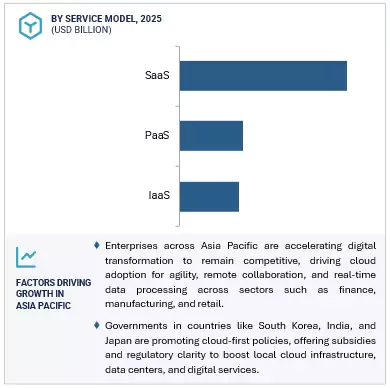
The convergence of cloud and AI has actually produced a brand-new baseline for what is possible in the Australian market. Success in this environment requires a balance of technical proficiency, clear governance, and a concentrate on local needs. As we move through 2026, the organizations that grow will be those that view these tools not as a one-time task, but as a constant part of their operational fabric. The focus remains on steady improvement and the practical application of technology to resolve real-world issues in the region.

Latest Posts

Updating Legacy Databases for Real-Time AI Processing
Five Security Pillars for the 2026 Australian Cloud
The 2026 Outlook for Australian Cloud Facilities Costs