All Categories
Featured
Table of Contents
The 2026 Shift Towards Autonomous Cloud Governance
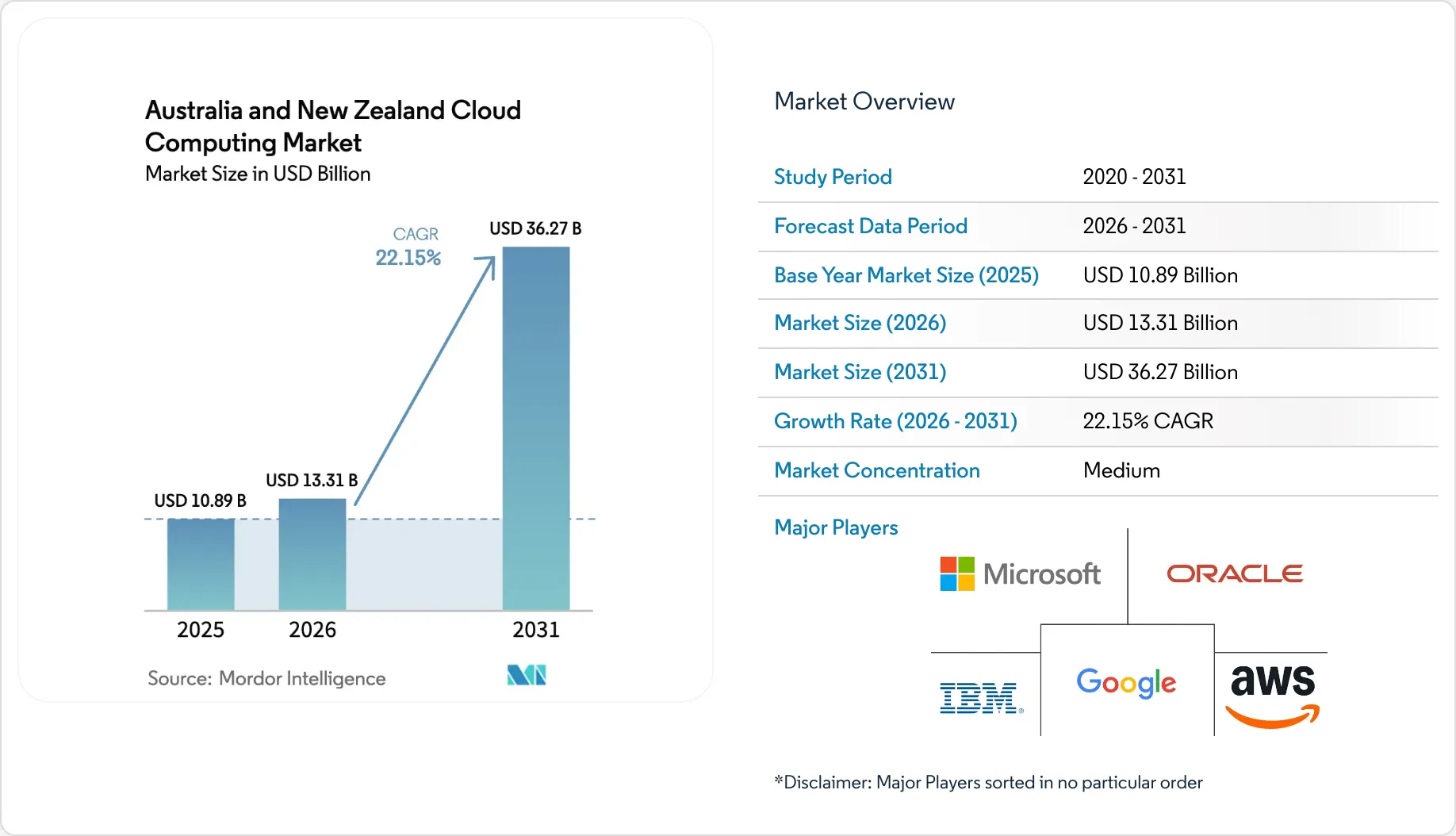
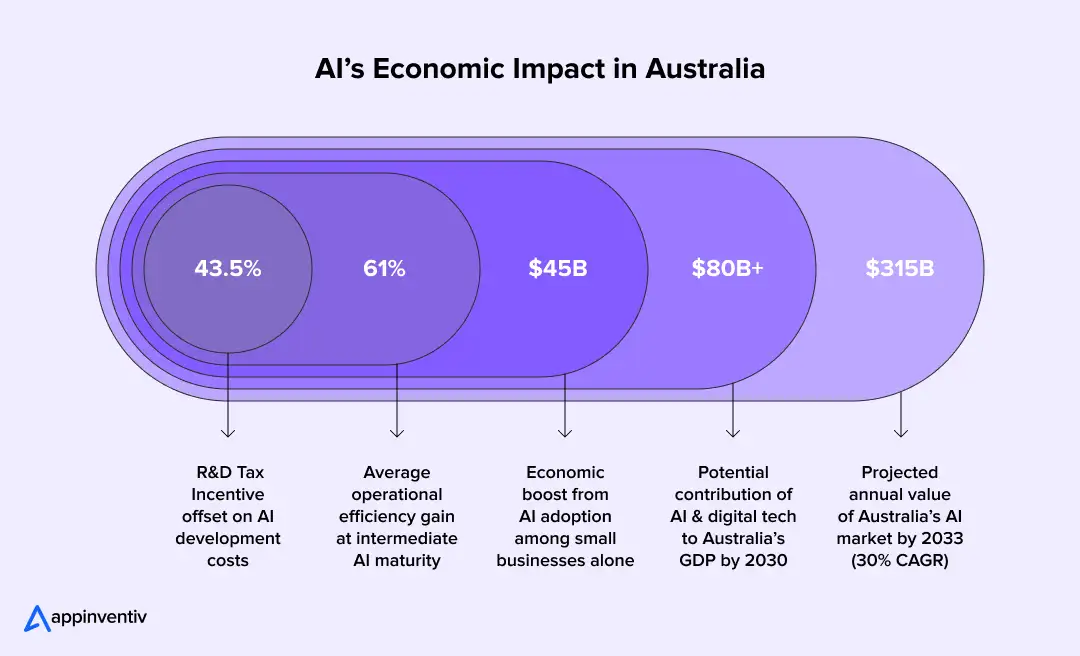
The Australian digital sector is presently navigating a duration of significant modification. As we move through 2026, the intersection of synthetic intelligence and cloud infrastructure has actually moved beyond simple experimentation. Organisations throughout the country now prioritise architectural designs that enable automated decision-making while keeping rigorous human oversight. This shift is not merely about speed. It focuses on creating a resilient environment where security procedures adapt to dangers in real-time without manual intervention.
In the current 2026 climate, the intricacy of managing multi-cloud environments has actually required an approach AI-native orchestration. These systems do more than just host applications. They handle traffic circulation, forecast hardware failures, and reallocate resources based upon live need patterns. For Australian businesses, this implies less time invested in regular upkeep and more time devoted to refining the reasoning that governs their digital operations. The focus has moved from "how do we move to the cloud" to "how do we secure the intelligence living within it."
Security is no longer a perimeter-based concept. In 2026, the perimeters are fluid and continuously redefined by identity-based gain access to designs. AI agents now validate every demand, looking for anomalies in habits that a human expert may miss out on. This level of analysis is needed since the dangers themselves are progressively automated. Defending a static network is no longer sufficient when enemies utilize device learning to discover vulnerabilities in code as it is being deployed.
Attending To Data Residency in the Age of Generative Intelligence
Data residency stays a leading priority for public and economic sectors in 2026. The Australian federal government has updated its standards to guarantee that any AI model processing sensitive person info should stay within nationwide borders. This has led to the rise of sovereign cloud solutions. These localised centers offer the compute power needed for large-scale model training while guaranteeing that data does not leave the jurisdiction. Companies are discovering that local processing lowers latency and offers a clearer course to compliance with regional privacy laws.
The push for localised compute has changed how regional information centres operate. We see a pattern where smaller sized, high-density centers are being constructed closer to metropolitan centres. These facilities are designed to handle the enormous heat output of 2026-era GPUs. Effectiveness in cooling and power usage has actually become as essential as the speed of the processors themselves. Growth in AI Lifecycle Governance mirrors the rising requirement for localised calculate power as organisations tighten their data perimeters.
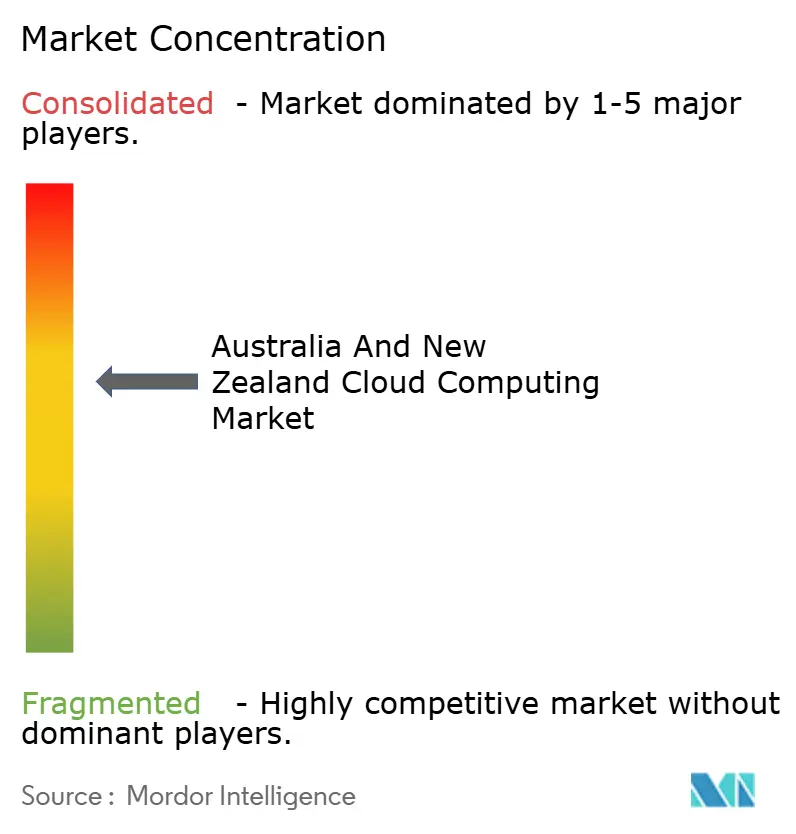
Compliance is now dealt with through "as-code" policies. Instead of annual audits that recall at previous efficiency, 2026 systems provide real-time compliance dashboards. These dashboards reveal precisely where data is stored, who has actually accessed it, and how it is being utilized by internal AI designs. If a data packet tries to move into a non-compliant zone, the system automatically blocks the transfer and notifies the governance team. This level of automation decreases the danger of human error, which stays the leading cause of data breaches.
Functional Durability Through Predictive Upkeep
Cloud operations in 2026 are defined by their capability to self-heal. Predictive maintenance algorithms monitor the health of every virtual maker and container in the environment. If a service reveals signs of approaching failure, the system spins up a replacement and migrates the workload before the user experiences any downtime. This proactive approach has actually considerably increased the uptime of crucial services in the banking and health care sectors.
The cost of cloud calculate is a consistent issue in 2026. While the power of these systems has grown, so has the price of the energy needed to run them. AI-driven expense management tools have become essential for maintaining success. These tools evaluate usage patterns and suggest optimisations, such as moving non-critical tasks to off-peak hours or utilizing lower-cost area instances for batch processing. Services that neglect these optimisations discover themselves facing spiralling functional costs that can hinder long-term projects.
The combination of automated observability permits groups to see deep into their stacks. It is no longer enough to understand that a system is "up." Engineers need to understand how the AI is making decisions and whether those decisions are wandering away from the intended specifications. Model drift is a major issue in 2026, where an AI's reasoning modifications over time as it processes new data. Continuous tracking guarantees that the intelligence remains lined up with the core worths of the organisation.
Constructing a Protected CI/CD Pipeline for AI Designs
Development cycles have actually sped up rapidly. In 2026, software application is often composed by AI assistants and examined by human developers. This suggests the security of the pipeline itself is under the microscope. Every line of code is scanned for vulnerabilities at the moment of production. If a developer utilizes a library with a known flaw, the system suggests a safe and secure alternative immediately. This "shift left" approach to security has become the standard for any organisation operating in the cloud.
Model security is another layer of the 2026 blueprint. Attacks such as timely injection or information poisoning are genuine threats that teams should defend against. Protecting the inputs and outputs of a model is simply as important as protecting the server it operates on. Numerous organisations are now using "red group" AI to constantly probe their own designs for weaknesses. This continuous testing cycle assists recognize spaces in the logic before they can be exploited by external actors.
Integration of Advanced AI Lifecycle Governance Frameworks enables security groups to react to hazards before they manifest. By the time a malicious actor efforts to get, the system has currently identified the pattern of the attack and strengthened the relevant barriers. This level of foresight is just possible when the security layer is completely integrated into the cloud facilities instead of being added as an afterthought.
The Human Element in an Automated Landscape
While automation is the dominant theme of 2026, the human aspect stays the final line of defense. The function of the cloud engineer has actually altered from a technician who fixes servers to a strategist who creates the reasoning governing those servers. Vital thinking and ethical decision-making are the most sought-after abilities in the 2026 task market. Comprehending the "why" behind an AI's decision is now more essential than understanding how to compose the underlying code.
Education and training have needed to keep speed with these changes. Australian universities and technical colleges have actually redesigned their curricula to concentrate on AI ethics and protected systems design. Graduates in 2026 are anticipated to comprehend the legal and social ramifications of the innovation they develop. There is a growing recognition that a protected cloud is not just a technical achievement however a social one, requiring the trust of the users who depend on it every day.
Partnership in between the general public and personal sectors is also greater than in previous years. Information sharing concerning brand-new hazards occurs in near real-time. When a new vulnerability is found in a common cloud part, the fix is typically dispersed throughout the network within minutes. This cumulative defense technique has made the Australian cloud environment one of the most resistant worldwide, bring in global financial investment in spite of the high expense of operations.
Future-Proofing for 2027 and Beyond
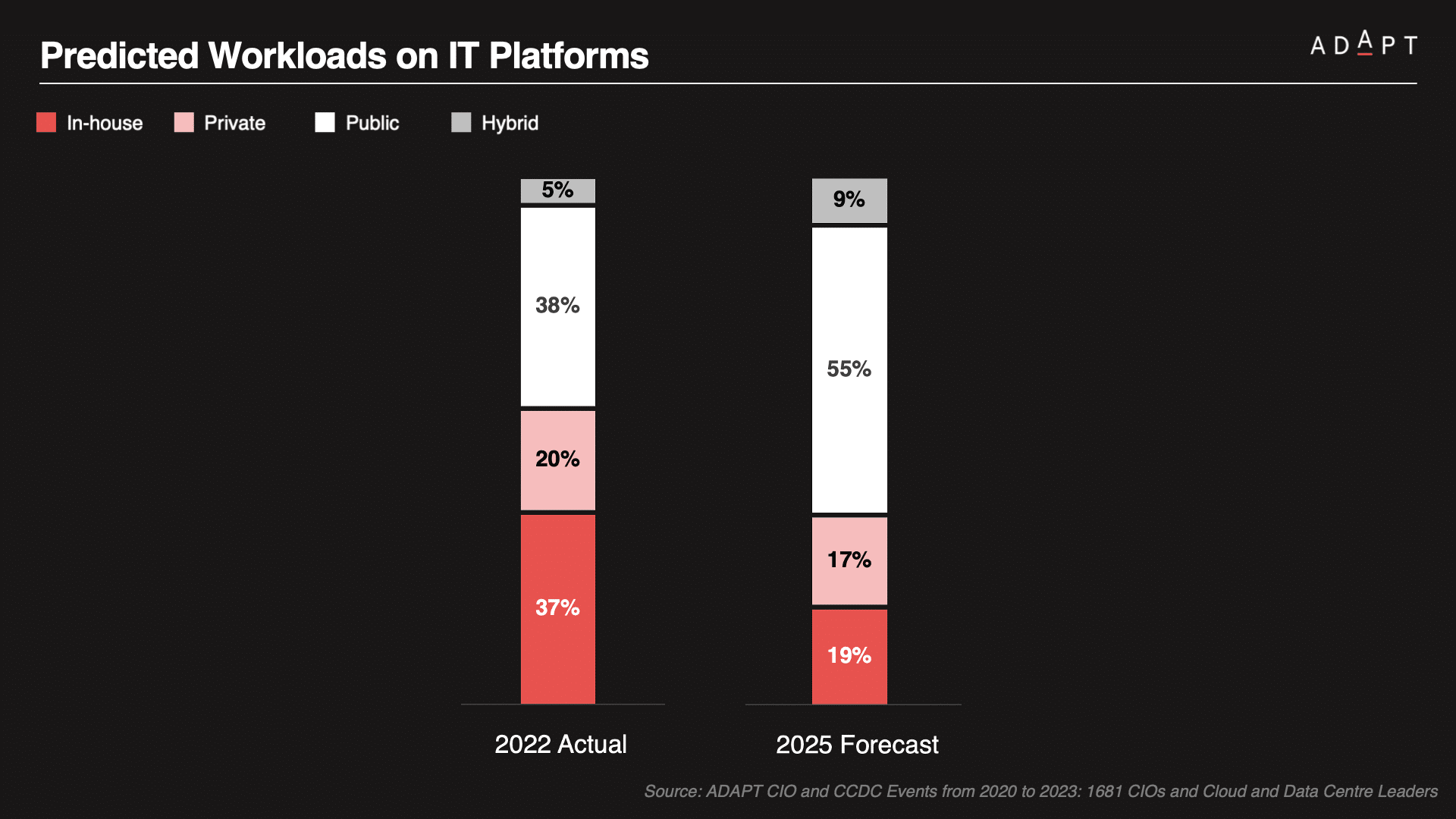
Looking ahead, the focus is on sustainability and long-term practicality. The energy consumption of AI-powered clouds is under intense scrutiny. We are seeing a relocation toward "green AI," where models are optimised for energy efficiency rather than just raw performance. This is not just an ethical option. In 2026, carbon taxes and energy policies make it a monetary requirement. Systems that can do more with less power will be the winners in the coming years.
The 2026 plan is not a static file. It is a living strategy that progresses as new innovations emerge. Quantum-resistant encryption is beginning to appear in cloud offerings, getting ready for the day when traditional encryption might be compromised. The organisations that succeed are those that remain flexible, constantly questioning their assumptions and searching for ways to enhance their security posture. The goal is to produce a digital structure that is as strong as it is wise, ensuring that Australian innovation continues to grow in a significantly complex global environment.
Strategic planning now includes a mix of threat management and technological foresight. Leaders need to stabilize the desire for quick development with the requirement for stable, safe and secure operations. By focusing on the fundamentals of information stability, identity management, and operational transparency, Australian services are setting a standard for the remainder of the world. The 2026 environment is challenging, but it likewise offers the tools required to build something really lasting.

Latest Posts
Updating Legacy Databases for Real-Time AI Processing
Five Security Pillars for the 2026 Australian Cloud
The 2026 Outlook for Australian Cloud Facilities Costs